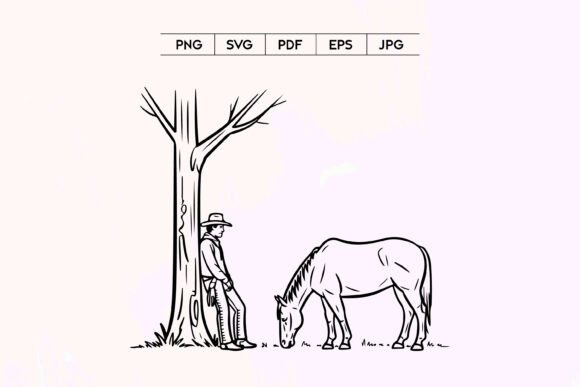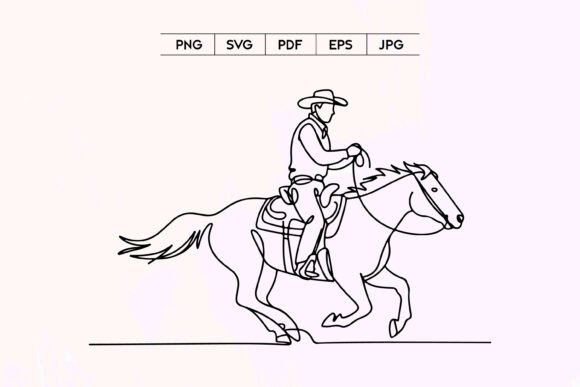
Cowboy Riding Horse Line Art for Embroidery Projects
As an embroidery designer with years of experience working on custom apparel and handmade products, I recently had the chance to evaluate Cowboy Riding Horse Line Art. This design is more than just a pretty image—it’s a versatile line art graphic that speaks to both the aesthetic and technical needs of real-world embroidery projects. Whether you're an Etsy seller, a small shop owner, or a hobbyist looking to create personalized gifts, this review will help you understand how it performs in practice.
A Classic Silhouette with Modern Flexibility
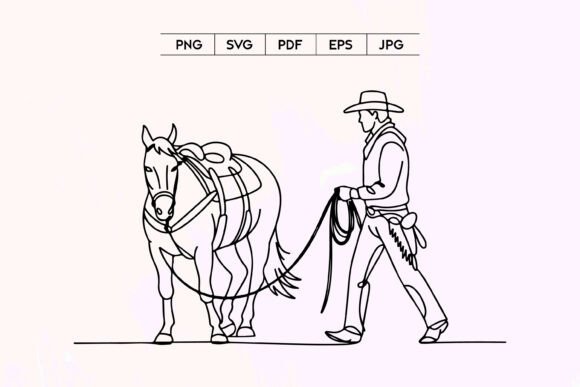
The first thing that struck me about the Cowboy Riding Horse Line Art was its strong silhouette and balanced composition. The cowboy and horse are stylized but retain enough detail to feel authentic. It's not overly ornate, which makes it perfect for a wide range of applications where simplicity and clarity are key. The lines are clean, with no unnecessary embellishments—this is the kind of design that works well as an applique design, especially when paired with contrasting thread colors or layered textures.
I imagined using this graphic for a custom sweatshirt—a classic Americana piece for a boutique or family gift. The layout is centered and symmetrical, so it naturally draws attention without overwhelming the fabric. The visual personality is bold yet understated, which means it could easily fit into a brand identity or become a signature element in your craft business.
What It Brings to the Table
- Strong visual impact: The cowboy riding horse creates a sense of movement and freedom, ideal for adventurous themes or Western-style branding.
- Minimalistic style: The lack of heavy shading allows for easy customization with different stitch types and thread combinations.
- Adaptable format: With SVG, PNG, EPS, JPG, and PDF files included, it’s suited for both digital embroidery and printable mockups.
Real-Life Performance: From Tote Bags to Sweatshirts
I tested the digital embroidery file on a few common items like a tote bag and a cotton sweatshirt. On the tote, the design looked great with a satin stitch around the outlines and a fill stitch in the center. The result was a polished, professional look that would appeal to customers shopping for handcrafted lifestyle products.
On the sweatshirt, I used a running stitch variation to keep the weight down while maintaining visibility. The lines were sharp enough to hold up under stitching, and the overall effect felt cohesive. For a personalized gift or a small shop product, this level of detail is just right—not too busy, but still meaningful.
This line art also worked surprisingly well on a baby onesie, scaled down and stitched in pastel tones. While the subject might seem too mature for infants, the simplified version actually added a charming, nostalgic touch that parents loved. It shows how adaptable the embroidery project can be when approached creatively.
Where It Shines
- Custom Apparel: Perfect for t-shirts, hoodies, and sweatshirts. The clear outlines make it easy to highlight with color changes or metallic threads.
- Boutique Merchandise: Great for creating branded patches or embroidered caps that reflect a rustic or Western vibe.
- Handmade Products: Looks fantastic on aprons, pillow covers, and kitchen towels. Especially good for holiday gifts or nursery decor due to its timeless quality.
- Digital Product Sellers: The multiple file formats allow for use in printable mockups and online previews, making it valuable for marketing finished goods.
Use It Carefully on These Surfaces
While the Cowboy Riding Horse Line Art is visually appealing and technically sound, there are some situations where it requires extra attention. When I tried it on a stretchy spandex blend for a cap, the lines didn’t stay crisp. Stretchy or thin fabrics need careful handling, especially if the design has intricate details or high stitch density.
Textured fabrics like denim or canvas also presented challenges. The lines became slightly distorted because of the fabric's uneven surface. In these cases, using a heavier stabilizer helped maintain clarity. Similarly, when applying the design to dark backgrounds, I found that white or light-colored thread was necessary to ensure visibility.
Key Considerations
- Small Hoop Sizes: If you plan to use this in an embroidered patch, confirm that all elements will fit within your hoop dimensions. The graphic is detailed enough that shrinking it too much may lose important visual cues.
- Curved Surfaces: Use caution when stitching on curved areas like caps or bags. Test the design on scrap material first to avoid distortion.
- Layered Garments: Stitching through multiple layers can cause puckering, especially if the machine embroidery design is dense. Opt for lighter stitch types if needed.
Visual Appeal and Customer Reaction
One of the best parts of using Cowboy Riding Horse Line Art is how it adds character without being over the top. Customers often respond positively to designs that tell a story or evoke a feeling. This one does both. As a personalized gift, it brings a sense of nostalgia and adventure that resonates well with those who appreciate Western culture or outdoor themes.
When applied to a tote bag or apron, the design elevates the product from generic to memorable. Its presence doesn’t scream for attention but instead invites the viewer to take a second look. That subtle charm can boost product value and customer trust, especially if you’re aiming for a premium handmade presentation.
For Etsy sellers and craft fair vendors, the design helps establish brand consistency. If your collection leans toward vintage or Americana styles, this illustration fits seamlessly. It also enhances giftability by adding a unique, recognizable motif that stands out in a crowded market.
Professionalism and Recognition
- Brand Consistency: The design aligns well with a variety of aesthetics, from rustic to modern. It can serve as a recurring visual element in your design assets.
- Customer Engagement: The imagery is familiar and evokes emotion, increasing buyer interest and engagement with your products.
- Recognition Value: Over time, consistent use of this motif can lead to brand recognition, especially among niche audiences like Western enthusiasts or country-themed home décor buyers.
Designer Notes for Real-World Application
If you're considering using Cowboy Riding Horse Line Art in your next project, here are a few practical tips based on my experience:
- Test on Scrap Fabric First: Always run a trial before committing to a final product. This ensures you catch any issues with stitch flow or fabric compatibility.
- Check Thread Color Contrast: Since this is a line-based illustration, contrast is essential. White, cream, or light blue thread works beautifully against darker backgrounds.
- Review Stitch Density: High-density areas may require adjustments depending on the fabric. Use a backing stabilizer to prevent puckering.
- Confirm Hoop Size: If you're unsure about the original design size, scale it carefully to fit within your machine’s capabilities. Avoid stretching the artwork unnaturally.
- Inspect Small Details: Look closely at the horse’s mane, the cowboy’s hat, and the saddle. These features define the design and should remain visible after stitching.
- Test in Black and White: Before choosing colors, check how the design looks in monochrome. This helps assess whether it maintains its form and clarity without color.
- Compare Light and Dark Fabrics: Visualize the design on both ends of the spectrum. You may find it works better in one context than the other.
- Use Proper Stabilizer: Especially on stretchy or thick materials, stabilizing is crucial to prevent distortion during the stitching process.
- Check Licensing Before Selling: If you plan to sell the finished product or include the digital embroidery file in a kit, confirm licensing terms to avoid legal issues.
Final Thoughts for Crafters and Entrepreneurs
The Cowboy Riding Horse Line Art isn't just another graphic to throw onto fabric. It’s a thoughtful illustration that can bring depth and personality to your handmade product lineup. Whether you're crafting a personalized gift or building a commercial embroidery offering, this design deserves a place in your creative toolkit—if used with care and consideration.
Its adaptability across formats and surfaces is impressive, but don’t underestimate the importance of testing and preparation. As a designer, I always recommend taking the time to see how a new embroidery file behaves on your preferred materials. The results will speak for themselves, and your customers will thank you for the extra effort.
In short, this is a solid machine embroidery design that bridges the gap between artistic expression and practical application. Just remember to tailor your approach based on the product, fabric, and audience you're targeting. With the right technique, Cowboy Riding Horse Line Art can become a standout feature in your small shop product offerings and elevate your commercial embroidery game.