Cowboy Hat Sketch: A Bold Icon for Real Embroidery Projects
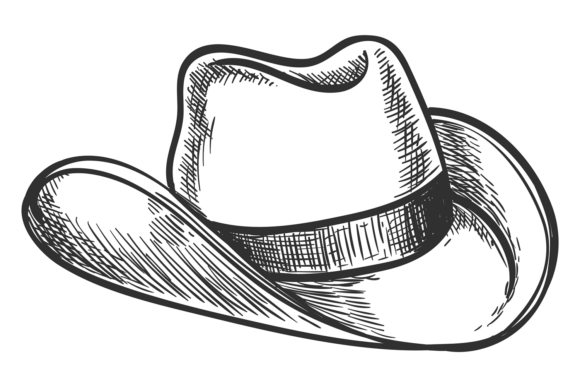
As an experienced embroidery designer and product reviewer, I’ve seen countless digital designs come and go. Some are perfect for the needle, others struggle to translate from screen to fabric. The Cowboy Hat Sketch. Male Fashion Hand Dra caught my attention not just for its visual flair but for how it feels like a natural fit in a variety of real-world embroidery applications. Let me walk you through what makes this design work — or not — when it comes time to stitch it into your next project.
First Impressions: Timeless Charm with Modern Appeal
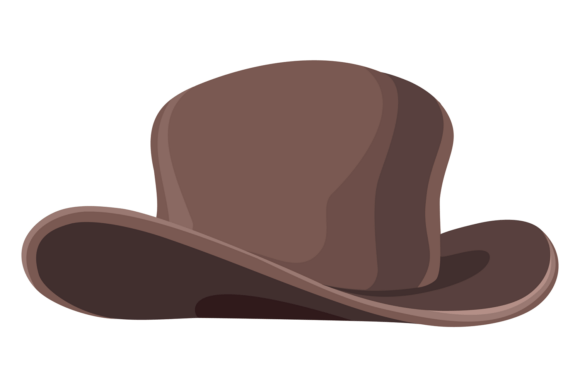
The moment I opened the digital embroidery file, the sketch of the cowboy hat spoke volumes. It’s hand-drawn, which gives it a unique, artisanal feel that stands out from the usual vector-style icons. The lines are clean but expressive, and there's enough detail to suggest character without being overwhelming. This kind of simplicity is key in embroidery projects where clarity after stitching is more important than intricate shading.
Visually, the design has a casual yet confident vibe. It doesn’t scream “Western,” but it subtly nods to it — making it versatile for both themed and general-use items. The male fashion angle adds a touch of style, positioning the sketch as something wearable and marketable. For those in the craft business or running an Etsy shop, this kind of personality can elevate a basic item into a standout piece.
Real-Life Application: Stitching into Custom Apparel and Merchandise
I tested the Cowboy Hat Sketch. Male Fashion Hand Dra on a few common materials used in custom apparel and handmade products. On a cotton sweatshirt, the sketch looked great with a combination of satin stitch and running stitch. The bold outline held up well, and the subtle inner details added just enough texture to make the design pop without becoming muddled.
For a tote bag made from twill fabric, I used fill stitch in the background and outlined the sketch with a dark thread color. The result was professional and eye-catching. It worked especially well as a tote bag design for a boutique selling outdoor-themed goods. Customers appreciated the understated charm and the sense of adventure the sketch evoked.
In holiday gift scenarios, I paired the design with seasonal elements like stars or cacti. It maintained its identity even when surrounded by other graphics, which is crucial for cohesive branding in small shop products.
Where This Design Shines (and Where It Might Need Care)
While the Cowboy Hat Sketch. Male Fashion Hand Dra is adaptable, it’s not a one-size-fits-all solution. Here are some insights based on practical use:
- Best on Smooth Fabrics: Cotton, linen, and quilting cotton give the clearest results. Textured fabrics like canvas or denim may distort the fine lines if not stabilized properly.
- Not Ideal for Tiny Hoops: The design’s scale works best in medium to large hoop sizes. If you're considering a smaller patch, be sure to test it first — small details might get lost.
- Beware of Stretchy Materials: Stretchy knits or elastic fabrics can cause misalignment during stitching. Always use a stabilizer and consider digitizing the design with stretch-specific techniques.
- Dark Fabric Considerations: While the sketch looks elegant on light backgrounds, it needs high-contrast thread colors on darker fabrics to maintain visibility. Try black or navy thread on gray or black material for a striking effect.
- Curved Surfaces: When applied to curved areas like caps or sleeves, the design should be adjusted to avoid puckering. Testing on scrap material helps determine whether the layout holds up under tension.
Design Value and Customer Perception
One of the most important things to consider when choosing an embroidery design is how it affects the final product’s appeal. The Cowboy Hat Sketch. Male Fashion Hand Dra brings a distinct visual personality to any item it adorns. As a handmade product feature, it feels authentic and adds a personal touch that customers notice and appreciate.
From a brand consistency standpoint, this design fits well into collections that emphasize lifestyle, travel, or rustic themes. Its neutral tone and simple structure also allow it to blend seamlessly with other graphics or text — essential for creating printable mockups and showcasing digital embroidery files online.
Customer trust often hinges on the quality of the embroidery. If the sketch is stitched cleanly and looks intentional, it can increase perceived value and product recognition. That said, overloading the design with too many threads or stitch types can make it look unprofessional. Stick to a minimalist approach unless you’re aiming for a specific decorative effect.
Designer Notes: Tips for Getting the Most Out of the Sketch
If you're planning to use this design in your embroidery project, here are a few tips to keep in mind:
- Test First: Always try the sketch on scrap fabric before moving to the finished product. This helps identify issues with stitch density or alignment early on.
- Check Thread Color Contrast: Make sure your chosen thread colors stand out against the fabric. Use a black-and-white mockup to visualize the contrast before purchasing thread.
- Review Stitch Density: Since the sketch is line-based, adjust the stitch spacing to ensure it remains sharp and doesn’t become blobby or lose definition.
- Confirm Hoop Size: If you're working with tight spaces, such as a baby onesie or embroidered patch, verify the recommended hoop size to avoid distortion.
- Inspect Small Details: Look at the corners and inner lines closely. These may need reinforcement depending on the fabric type and intended use.
- Use Proper Stabilizer: Especially for thin or stretchy materials, using a good stabilizer will help preserve the shape and prevent snags.
- Confirm Licensing: Before selling the finished product, double-check the licensing terms of the graphics to avoid legal complications.
Commercial vs. Personal Use: What You Need to Know
This design is excellent for both personalized gifts and commercial embroidery. In a personal context, it adds a stylish nod to custom apparel like a sweatshirt embroidery or a personalized cap. Professionally, it’s suitable for small business merchandise or craft fair products, particularly in niches like Western wear, outdoor gear, or retro-inspired fashion.
However, if you plan to sell the embroidered patch or incorporate it into a broader collection of design assets, make sure the file formats include SVG, EPS, and transparent PNG. These are necessary for high-quality printing and scalable use across different platforms.
Final Thoughts: A Reliable Addition to Your Embroidery Kit
The Cowboy Hat Sketch. Male Fashion Hand Dra isn't flashy, but it’s far from forgettable. It offers a balance between simplicity and character, which is exactly what you want in an embroidery design that needs to perform across multiple projects and fabrics.
Its hand-drawn nature gives it warmth and authenticity, qualities that resonate strongly with buyers looking for personalized gifts or handmade products. Whether you're an Etsy seller or part of a craft business, this design can enhance your offerings without demanding excessive resources or technical skill.
Still, like all embroidery files, it requires thoughtful application. Take the time to understand its limitations and strengths, and you’ll find it becomes a reliable and appealing element in your creative toolkit.