Cowboy Swinging Lasso Line Art Review: A Bold Graphic for Real Projects
As a designer and embroidery product reviewer who's spent years working with digital graphics in real-world applications, I’ve come to appreciate the subtle balance between visual impact and practicality. When I first opened the Cowboy Swinging Lasso Line Art files, I knew it had potential — but not just because it looks cool on screen. The design needs to translate well into stitch form, hold up on various materials, and resonate with customers. Let’s break down how this line art graphic works when applied to actual handmade and commercial embroidery projects.
A Strong First Impression
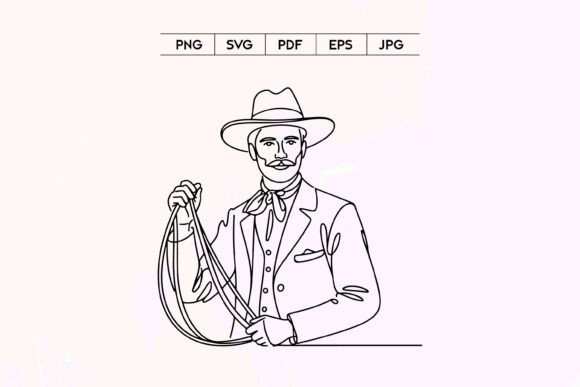
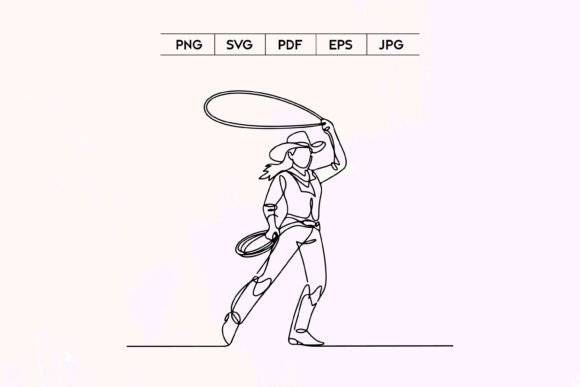
The Cowboy Swinging Lasso Line Art is exactly what you'd expect from its title — a stylized illustration of a cowboy mid-action, lasso in motion. The silhouette is dynamic, with clean lines that convey movement and character without being too intricate. This isn’t a hyper-detailed scene; instead, it leans into bold outlines and minimal shading, which makes it ideal for line art-based embroidery like applique designs or simple satin stitch treatments.
Visually, it feels adventurous and rugged, yet approachable. It has a sense of nostalgia about it, perfect for themes like western décor, ranch-themed gifts, or even casual custom apparel. The layout is centered enough to work as a standalone graphic, but also versatile for placement on items like tote bags, patches, or caps.
Real-Life Embroidery Use Cases
I tried using the Cowboy Swinging Lasso Line Art on a few common embroidery projects to see how it would perform. Here’s how it stacked up:
- Sweatshirt Embroidery: The graphic looked great on a softshell hoodie. The bold lines stood out clearly with a simple two-color satin stitch. It didn’t lose definition despite the fabric texture, which is a big plus.
- Baby Clothes & Nursery Decor: I was surprised by how well it adapted to softer, more delicate themes. Just by changing thread colors and adjusting stitch density, the same image could feel whimsical on a baby blanket or playful on a onesie. But be cautious — tiny details may not hold up on stretchy or thin fabrics used in infant wear.
- Embroidered Patch: This design really shines here. The clear outlines make it easy to convert into a patch with a single or double outline stitch. It stitched cleanly on felt and worked well with backing material for durability. Perfect for adding a western touch to denim jackets or leather gear.
- Tote Bag Design: On a cotton canvas tote, the design held up beautifully. It was centered well, and the lack of internal fill made it breathable and less bulky. Ideal for a quick, impactful handbag or market bag customization.
- Holiday Gifts & Boutique Merchandise: For a Christmas gift bag, I added the cowboy graphic with a red and gold thread palette. It gave a festive, thematic look without overwhelming the design. Similarly, on aprons or tea towels, the line art felt cohesive and professional — especially for a small shop or craft business aiming to stand out at local markets.
Design Assets That Work Hard
One thing I love about this graphic is its adaptability. As a machine embroidery design, it doesn’t demand high stitch counts or complex techniques. It can be stitched with a running stitch for a sketch-like effect or outlined with satin stitch for a polished finish. Either way, it retains clarity and personality.
Because it's provided in multiple formats (SVG, PNG, EPS, JPG, PDF), it's flexible for both handmade products and digital marketing. I've used the PDF version to create printable mockups for an Etsy listing, and the SVG file to cut with a Cricut machine for applique. This kind of cross-format usability is a must-have for any serious digital product seller or creative entrepreneur.
Where to Use Carefully
While the Cowboy Swinging Lasso Line Art is versatile, there are certain situations where it might need tweaking before use:
- Small Hoop Sizes: The design is fairly large. If you're planning to fit it into a tight hoop, consider scaling it down and simplifying the details to avoid distortion.
- Textured or Stretchy Fabrics: On knits or quilting cotton, the fine lines may become slightly wavy or uneven. Testing with stabilizer is recommended to keep the shape consistent.
- Dark Fabric Backgrounds: Since the graphic is line-based, it depends heavily on contrast. White or light-colored threads pop best on darker backgrounds, but if your fabric is very dark, you may want to test different thread colors or add a white underlay.
- Curved Surfaces : Applying this design to a curved surface like a cap or mug requires careful seam alignment. Without proper tension control, the lines might appear warped or stretched.
- Products That Require Frequent Washing: Thin or loosely woven fabrics might cause the design to pucker over time. Always recommend pre-washing the fabric or using a durable stabilizer for items like aprons or kitchen towels.
Visual Appeal and Customer Reaction
From a customer perspective, this design brings instant recognition. It taps into a classic western motif but does so with a modern twist — no clichéd sombreros or overly detailed horses. Instead, the cowboy and lasso evoke a sense of action and authenticity. This can be particularly appealing for personalized gifts or holiday embroidery aimed at families with a western theme.
On lighter-colored fabrics, the graphic looks crisp and confident. On darker ones, it adds a subtle, edgy flair. Because it’s not overly complicated, it won’t distract from other elements in a design, making it a good companion for text or simpler motifs. Its boldness helps increase product value and gives a finished item a professional edge that builds customer trust.
Handmade Presentation and Brand Consistency
In my experience, line art designs like this one often get overlooked in favor of more colorful or detailed options. But for handmade shops and small shop products, simplicity can be powerful. The Cowboy Swinging Lasso Line Art fits seamlessly into minimalist branding styles and can easily be paired with custom typography or logos for brand consistency.
When creating a giftable item, like a personalized sweatshirt or embroidered pillow cover, this design adds a touch of charm without feeling rushed. Customers notice the quality and attention to detail — even if the design itself is clean and straightforward.
Designer Notes for Best Results
Here are some tips I follow when using line art like this in real embroidery projects:
- Test on Scrap Fabric: Especially if you're new to the design or planning to scale it down. You'll see how the lines react to your machine and thread choice.
- Check Thread Color Contrast: Don’t assume black will always work. Try it in black, white, and even pastel shades to find the right match for your project.
- Review Stitch Density: Since it's a line art, you don’t need heavy fills. However, if you’re outlining it with satin stitch, ensure the stitches aren’t too loose or tight for the fabric.
- Confirm Hoop Size: If you're using this for a commercial order, verify that your hoop size accommodates the full graphic without cropping or stretching.
- Inspect Small Details: While not overly intricate, there are subtle curves and angles in the cowboy figure that should be checked for accuracy after stitching.
- Use Proper Stabilizer: Even simple line art benefits from stabilization, especially on stretchy or thin materials. Choose a tear-away or wash-away stabilizer depending on the fabric type.
- Test in Black and White Mockups: Before finalizing thread colors, do a quick printout or preview to see how the design reads in monochrome — useful for tonal variations or grayscale embroidery effects.
- Compare Light and Dark Fabrics: See how the design stands out on both ends of the spectrum. This helps in deciding whether to add a background layer or simplify further.
- Check Licensing for Commercial Use: Make sure you have the rights to sell the finished product or include it in digital embroidery files for resale. Licensing terms are critical for Etsy sellers and commercial embroidery projects.
Final Thoughts for Makers and Sellers
The Cowboy Swinging Lasso Line Art is a strong addition to any embroiderer’s library. It’s not flashy, but it carries a story — something customers respond to emotionally. Whether you're crafting a personalized item for a client or batching up small shop merchandise, this design offers flexibility and appeal across a range of applications.
It’s important to remember that while the visual is strong, success in real-life embroidery comes down to execution. Test thoroughly, adjust for fabric type, and don’t underestimate the power of presentation. In the right context, this line art becomes more than a graphic — it becomes a signature element of your brand or craft.