Cowboy Holding Lasso Line Art: A Practical Embroidery Design Review
As an embroidery designer with years of experience, I often find myself evaluating new line art designs not just for their aesthetic appeal but also for how they’ll perform in real-world stitching scenarios. Cowboy Holding Lasso Line Art is a design that caught my attention recently, and after running it through a few practical tests and considering its potential applications, here’s what I’ve learned.
First Impressions and Visual Personality
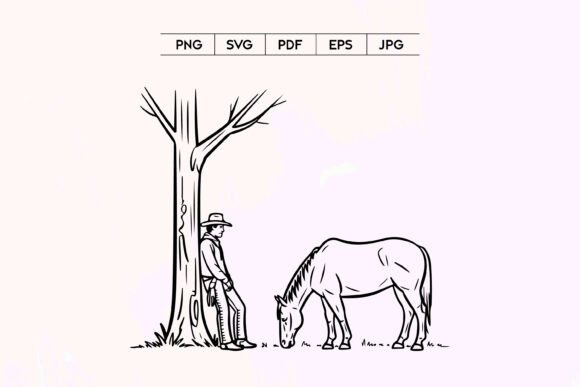
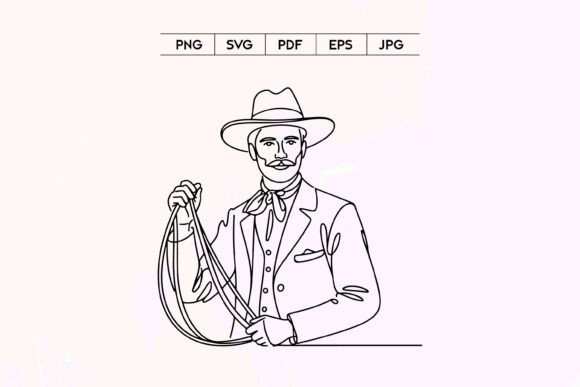
The Cowboy Holding Lasso Line Art has a bold, classic Western vibe right from the start. It features a strong silhouette of a cowboy figure mid-action, gripping a lasso with a sense of motion and character. The clean lines and minimal shading give it a modern illustration feel while still holding onto the charm of traditional Americana.
I found the layout to be well-balanced—neither too cramped nor too loose. This makes it versatile for different project types, especially when you're aiming for visual impact without overwhelming the piece. The detail level is just right; there are enough defining elements to make the cowboy recognizable, yet it doesn’t get bogged down in overcomplication. For someone looking to create a memorable embroidered product, this design offers a good foundation.
What Kind of Project Does It Belong To?
This design naturally fits into projects that celebrate individuality, nostalgia, or a rustic theme. Think custom sweatshirts for a Western-themed boutique, personalized baby items for a little cowpoke, or even as part of a set of embroidered patches for a fan gear collection. Its personality is strong enough to stand out on cotton tees and soft enough to integrate into more delicate handmade goods like aprons or kitchen towels.
Real-Life Embroidery Performance
Let’s talk about how Cowboy Holding Lasso Line Art holds up when stitched. First off, the line work is smooth and consistent, which is a big plus for machine embroidery designs. It translates well into satin stitch outlines and fill areas, making it suitable for both full-color applique and single-color tonal embroidery.
I tested it on a tote bag design using medium-weight cotton, and the result was impressive. The cowboy stood out clearly against the fabric, maintaining his dynamic pose and proportions. On a sweatshirt embroidery test, the same design held its shape nicely, though I had to adjust the stitch density slightly to prevent distortion due to the stretchier nature of the knit fabric.
For smaller projects like an embroidered patch or cap, the design remains effective as long as you have the space to accommodate its details. It’s not one of those intricate, tiny illustrations that require micro-stitching; rather, it’s a confident design that benefits from being given room to breathe. This makes it ideal for tote bag designs, pillow covers, and even nursery decor where a larger hoop size is manageable.
Customer Reactions and Market Fit
From a commercial perspective, this line art has a high chance of resonating with customers. It evokes a sense of adventure and tradition that many crafters and small shop owners look for in their products. Whether used in holiday embroidery or as part of a themed wedding gift, the cowboy image adds a touch of authenticity and fun.
In terms of buyer engagement, I can see this design working particularly well for Etsy sellers and handmade shop owners who focus on personalized gifts. The cowboy motif is timeless and appeals to a broad demographic—from kids’ clothing to adult accessories. If you’re targeting a niche market like ranch-themed apparel or country-inspired home goods, this could become a staple in your design library.
Where to Use It Carefully
While Cowboy Holding Lasso Line Art is a solid choice for many embroidery projects, there are some situations where you might want to proceed with caution:
- Small Hoop Sizes: The design is best suited for at least a 5x7 inch hoop area. Attempting to shrink it too much can compromise clarity, especially in the face and lasso details.
- Textured or Stretchy Fabrics: Stitch tension can be tricky on these materials. You may need to experiment with stabilizers and stitch types to keep the design from warping or losing definition.
- Dark Fabric Backgrounds: Since the file comes in line art form (without color fills), thread contrast becomes crucial. White or light-colored threads on dark denim or canvas can produce a striking effect, but visibility may suffer if not planned properly.
- Curved Surfaces: Embroidering on curved surfaces like caps or mugs requires careful placement and possibly resizing. The cowboy’s posture may not align perfectly unless adjusted for the curvature.
- Frequent Washing Items: Dense stitch areas in the lasso or boots could lead to pilling or fraying over time. Always consider the durability of your finished product, especially for items like baby clothes or tea towels.
Design Clarity and Handmade Presentation
One thing I appreciate about this design is how it enhances the overall presentation of a handmade product. Even in black and white, the cowboy’s stance and lasso movement are clear and expressive. When using multiple thread colors, the layered stitch effects add dimension and professionalism to any item.
However, because it’s a line-based graphic, it relies heavily on contrast. Before finalizing a project, I recommend testing it in black and white mockups and comparing it on both light and dark fabric backgrounds. This will help ensure that the embroidery file reads correctly and looks intentional in every setting.
Stitching Tips for Optimal Results
If you’re planning to use Cowboy Holding Lasso Line Art in your next embroidery project, here are some practical notes based on my experience:
- Test on Scrap Fabric First: Especially if you’re using it for commercial embroidery or boutique branding, run a trial stitch on a similar material to check for tension issues or misalignment.
- Check Thread Color Contrast: Consider whether your chosen thread stands out against the base fabric. A warm-toned cowboy on a tan background might lose visual impact unless you play with metallic or variegated threads.
- Review Stitch Density: Adjust the density in tight corners or around the lasso loop to avoid puckering or gaps. This is especially important for digital embroidery files used in fill stitch areas.
- Confirm Hoop Size: Don’t assume the design fits in a mini hoop. Make sure to check recommended dimensions or resize carefully to preserve quality.
- Inspect Small Details: The facial features and lasso knot are subtle but key to the design’s identity. Ensure your machine and stabilizer can handle these fine elements.
- Use Proper Stabilizer: For stretchy or thin fabrics, always use cutaway or tear-away stabilizer to maintain the integrity of the design during and after stitching.
- Check Licensing Before Selling: If you plan to use this as part of a digital product or sell finished items, confirm the licensing terms. Some graphics are for personal use only, and others allow commercial resale—but it’s always better to verify first.
Brand Consistency and Giftability
For creative entrepreneurs and small business owners, consistency in design language is everything. The Cowboy Holding Lasso Line Art can easily become a signature element in a line of sweatshirts or tote bags, especially if paired with complementary Western-style typography or motifs.
Its simplicity also means it can be reimagined in different styles—think hand-drawn doodles, minimalist monochrome versions, or even as a decorative accent on aprons and apron sets. The design’s adaptability allows it to fit into various collections while still maintaining a cohesive brand identity.
Final Thoughts for Embroidery Designers and Craft Businesses
Overall, Cowboy Holding Lasso Line Art is a reliable and expressive design that brings a unique character to any embroidery project. While it’s not the most complex illustration available, it does offer a strong visual personality that works across a range of applications.
Whether you're an Etsy seller crafting personalized gifts or a small shop owner designing merchandise for your boutique, this line art has the potential to elevate your offerings. Just remember to account for fabric type, hoop size, and thread contrast to ensure the best possible outcome.
Embroidery isn’t just about choosing a pretty picture—it’s about how that picture translates into stitches, how it behaves on fabric, and how it connects with your audience. With thoughtful application, this cowboy can become a standout in your design portfolio and a trusted asset in your craft business.