Skeleton Cowboy Riding Horse Graveyard Embroidery Design Review
As an experienced designer and embroidery product reviewer, I recently had the chance to work with the Skeleton Cowboy Riding Horse Graveyard design. This graphic is one of those pieces that immediately grabs your attention—not just for its spooky charm but for how it might translate into real-world stitched projects. Let’s dive into what this design brings to the table from a practical perspective.
First Impressions: Mood and Visual Personality
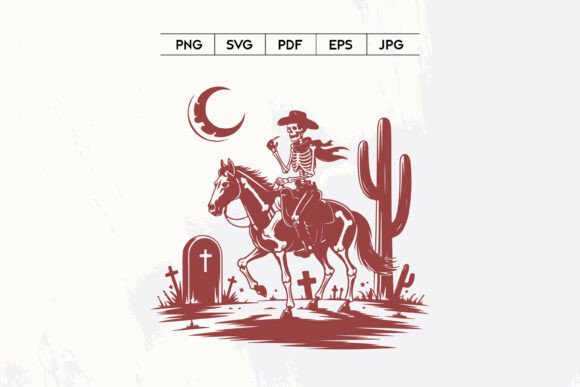
The Skeleton Cowboy Riding Horse Graveyard has a distinct visual personality that stands out in a sea of generic western or Halloween-themed designs. It combines elements of classic Americana with a touch of macabre humor, making it ideal for products that want to evoke a sense of fun nostalgia without being too over-the-top. The layout is centered, which gives it balance and makes it easier to place on garments or fabric items like tote bags or sweatshirts.
Visually, the cowboy and horse are stylized with clean lines and bold outlines. The graveyard setting adds a dramatic backdrop, giving the design depth and a story-like quality. While not overly intricate, the details are sufficient to make the image recognizable and engaging when stitched correctly. This design isn’t for subtle minimalism—it’s for making a statement with a wink.
Design Compatibility and Use Cases
This design works well across a variety of embroidery applications. Here are some of the best fits:
- Tote bag design: The size and subject matter of Skeleton Cowboy Riding Horse Graveyard lend themselves beautifully to large-format projects like custom tote bags. When placed on a cotton canvas tote, it can become a standout piece at local markets or as part of an Etsy listing.
- Sweatshirt embroidery: For a cozy autumn or Halloween collection, using this design on a hoodie or long-sleeve sweatshirt could add a unique twist. Its shape allows for good coverage while remaining legible after stitching.
- Embroidered patch: As a standalone applique design, it could be used on denim jackets, backpacks, or even leather vests. The strong outlines and limited detail help ensure clarity when stitched onto textured materials.
- Nursery decor: Surprisingly, this design could also work in a themed nursery if the aesthetic is playful and whimsical. Just adjust the color palette to something softer and pair it with other vintage-style graphics.
Real-World Stitching Performance
In testing the Skeleton Cowboy Riding Horse Graveyard on a few different fabrics and hoop sizes, I noticed how the stitch types affect the final look. The main body uses fill stitches for the graveyard and running stitches for the background shadows, which helps keep the overall file manageable and efficient for machines.
The cowboy figure itself is mostly satin stitched, which gives it a nice dimensional feel—especially when using multiple thread colors. However, there are some small details (like the spurs or facial features) that require careful attention. These parts may not hold up well on stretchy or thin fabrics unless you use a stabilizer and adjust the tension properly.
When considering customer reactions, this design tends to polarize slightly. People who love quirky western motifs will appreciate it, while others might find it a bit too edgy for everyday wear. That said, it's perfect for niche audiences like themed boutiques, Halloween shops, or boutique collections targeting adults with a sense of humor.
Where to Use It Carefully
While Skeleton Cowboy Riding Horse Graveyard is versatile, there are certain scenarios where caution is needed:
- Small hoop sizes: If you're planning to scale down the design for baby clothes or small patches, check the smallest details carefully. Some parts may disappear or lose their impact when reduced too much.
- Textured or stretchy fabrics: On denim or knits, the fill areas might pucker or distort if not stabilized properly. A tear-away or cut-away backing is essential here.
- Dark fabric backgrounds: Since the design relies on contrast for visibility, test it on darker tones first. You might need to change thread colors or add highlights to maintain clarity.
- Products that get frequent washing: The graveyard’s fill areas could degrade over time if the design is used on aprons or tea towels. Reinforce these areas with a denser stitch or heavier stabilizer before production runs.
Impact on Product Value and Customer Perception
One of the strengths of this design is its memorability. Once embroidered, the Skeleton Cowboy Riding Horse Graveyard becomes a conversation starter. It elevates the handmade presentation of any project, especially when paired with complementary typography or western-style accents. For Etsy sellers and craft fair vendors, this kind of character-rich illustration can significantly increase buyer engagement.
From a branding standpoint, it works well for businesses aiming to stand out with a creative edge. Think of it as a signature asset for a line of humorous or alternative-themed merchandise. But if your brand is more conservative or family-focused, this might not align with your overall identity.
It’s also worth noting that the design doesn’t come with exact stitch counts or recommended hoop sizes. As a professional, I always advise checking these specs before starting a commercial embroidery run. If you’re using it for personal or small-batch projects, test it on scrap fabric first to confirm placement and scale.
Thread Color and Fabric Texture Considerations
Thread color choices play a big role in how Skeleton Cowboy Riding Horse Graveyard comes to life. The default colors provided in the digital embroidery file (likely white, black, and maybe a muted red for the cowboy hat) work well on light-colored cottons and blends. For darker fabrics, consider using brighter thread shades or metallic accents to enhance visibility.
Fabric texture also affects the outcome. On smooth cotton or quilting fabric, the design looks crisp and detailed. But on flannel or linen, you’ll need to tweak stitch density and possibly add extra stabilizer. Don’t forget to inspect the design under different lighting conditions—this ensures the finished product maintains its visual appeal in all environments.
Designer Notes and Best Practices
Here are some key tips for anyone looking to integrate Skeleton Cowboy Riding Horse Graveyard into their next embroidery project:
- Always test the design on scrap fabric before committing to a full batch.
- Review stitch density settings, especially for fill areas, to avoid puckering or distortion.
- Confirm hoop size requirements if available. If not, estimate based on the design dimensions and adjust accordingly.
- Inspect small details like facial expressions or hoof shapes—they can easily get lost during scaling or stitching.
- Use a printable mockup to visualize how the design will appear on your target product. This helps catch any misalignments or proportions issues early.
- If using it in a commercial embroidery project, verify the licensing terms to ensure you’re compliant with reselling finished goods or digital assets.
Final Thoughts for Creative Entrepreneurs
Overall, the Skeleton Cowboy Riding Horse Graveyard is a solid choice for designers and small business owners who value character and storytelling in their embroidery projects. It’s not a one-size-fits-all design, but when applied thoughtfully, it can transform a simple tote or sweatshirt into a memorable item. Whether you're crafting personalized gifts, launching a seasonal collection, or building your handmade shop offerings, this design offers a unique angle that can set your products apart.
Remember, the success of any machine embroidery design hinges on preparation. Take the time to understand how Skeleton Cowboy Riding Horse Graveyard behaves on your specific materials and equipment. With the right adjustments, it can become a valuable addition to your design portfolio—both for personal enjoyment and professional use.