Cowboy Walking Horse Line Art for Embroidery Projects
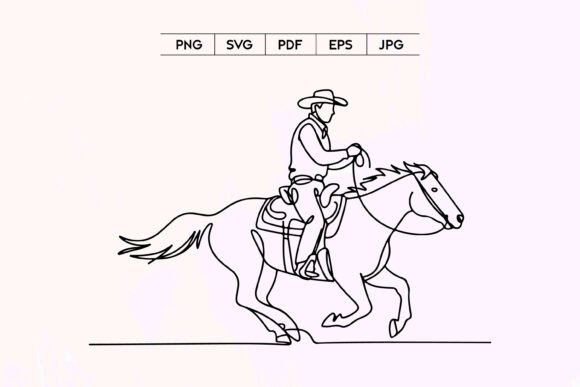
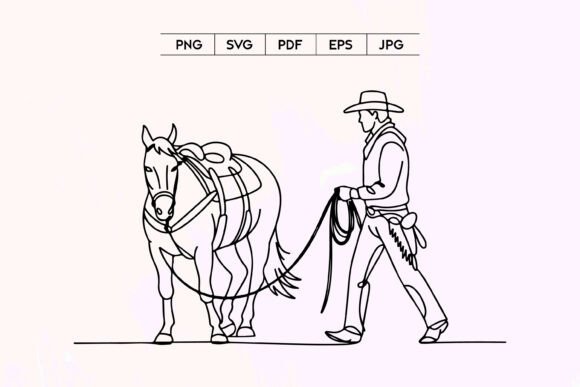
When I first opened the Cowboy Walking Horse Line Art files, I was struck by the clean and bold visual presence of the design. It’s a line art illustration that feels instantly classic—like something you might find in vintage Americana or western-themed decor. The cowboy and horse are depicted in motion, which gives the piece a sense of adventure and energy. As an embroidery designer who often works with small businesses and crafters, I immediately thought about how this design could translate into real-world projects while maintaining its charm and clarity.
A Design That Tells a Story
This isn’t just another animal or figure motif; it’s a scene that evokes nostalgia and rugged individualism. The layout is well-balanced, with the cowboy positioned in front of a galloping horse. There's enough detail to make the characters expressive without being overly complex. That makes it perfect for those who want their embroidered patch or handmade product to carry a message or theme—whether it’s for a personalized gift or a commercial project aimed at capturing a specific aesthetic.
Visual Personality and Project Fit
The line art style is minimalist yet powerful. It uses strong outlines and subtle internal details to define the cowboy’s hat, boots, and the horse’s mane and tail. This kind of design leans into simplicity but doesn’t sacrifice character. Because of that, it can work well across various design assets, especially where you want the imagery to stand out rather than get lost in busy patterns.
I see this as a great candidate for sweatshirt embroidery, tote bag design, and even nursery decor. The theme fits seamlessly into rustic, country, or western-inspired branding, making it ideal for small shop products or Etsy listings looking to add a touch of Americana.
Real-World Performance in Embroidery Projects
Let’s talk about what happens when you actually stitch the Cowboy Walking Horse Line Art onto fabric. Line art designs like this one usually rely on contrast and clarity more than intricate fill patterns. That means they perform best when using satin stitch along the outlines and maybe a few fill stitches in key areas like the saddle or the bridle.
- Custom Apparel: On a sweatshirt or t-shirt, this design looks striking when stitched in white or cream thread against a darker background. The movement of the cowboy and horse adds dimension and interest to casual wear.
- Tote Bag Design: For tote bags made from cotton or canvas, the design holds up beautifully. The bold lines remain clear after washing and use, and the theme aligns well with outdoor or travel-related items.
- Embroidered Patch: If you're planning to turn this into a patch, the line art helps define the edges cleanly. It also allows for creative color choices depending on the garment it will be sewn onto.
- Baby Embroidery: While the subject matter may seem a bit rugged for baby items, a softer palette (pastels or muted tones) can transform it into a charming, gender-neutral nursery decoration or baby blanket accent.
- Holiday Gifts: Think embroidered kitchen towels or pillow covers for Father’s Day, Christmas, or birthdays. The cowboy walking horse motif brings a sense of tradition and craftsmanship that appeals to many buyers.
- Commercial Embroidery: This design has enough personality to justify higher pricing for boutique or branded items. Its clean presentation also supports brand consistency when used repeatedly across merchandise like aprons or caps.
Customer Reaction and Giftability
One thing I always consider is how customers will react to the finished product. The Cowboy Walking Horse Line Art has a timeless quality that resonates with both adults and children. It’s versatile enough to work as a personalized gift or a craft fair product with a story behind it. People love designs that reflect a lifestyle or tell a tale, and this one definitely does that.
It also adds a level of professionalism to your work. Whether you’re an embroidery designer or a creative entrepreneur, having a design that looks intentional and high-quality can boost customer trust and product value.
Where to Use With Caution
While the Cowboy Walking Horse Line Art is impressive, it’s not without its challenges. Here are some situations where extra care is needed:
- Small Hoop Sizes: The design has a decent amount of space between elements, but if you’re working with limited hoop size, you’ll need to scale it carefully to maintain clarity.
- Textured Fabrics: On fabrics like denim or burlap, the lines might appear uneven unless you adjust stitch density or choose a heavier thread weight.
- Thin or Stretchy Fabric: Delicate materials can cause distortion in the lines, especially if there’s no proper stabilizer underneath.
- Dark Backgrounds: Stitching this design on dark fabric requires careful selection of thread colors. White or light-colored threads will provide the most visibility and impact.
- Curved Surfaces: When applying the design to curved surfaces like caps or hats, you may need to modify the file slightly to prevent stretching during the embroidery process.
- Dense Stitch Areas: If you plan to add decorative accents or multiple layers of stitching, keep in mind that the original line art doesn’t have heavy fills. You may need to adjust the stitch types accordingly.
As a rule of thumb, test the design on scrap fabric before committing to a client project or large batch of handmade products. Especially if you’re considering holiday gifts or commercial embroidery runs, a sample stitch will help avoid missteps later.
Thread Color and Contrast Tips
Since the design is provided as a line drawing without color, you’ll need to decide on the right thread palette. For maximum contrast, stick with white, cream, or off-white on dark backgrounds. On lighter fabrics, try black or navy blue to create depth. You can also play with metallic threads for a festive twist on holiday embroidery or wedding gifts.
Design Notes for the Pros
If you're a seasoned embroiderer or a new craft business owner, here are some practical tips to maximize the potential of Cowboy Walking Horse Line Art:
- Test on Scrap Fabric First: Always run a test stitch to check how the lines look on your chosen material and whether any adjustments are needed.
- Check Stitch Density: Line art tends to require tighter stitch spacing for definition. Review the digital embroidery file to ensure it’s optimized for your machine.
- Confirm Hoop Size: Without exact hoop dimensions given in the product description, double-check the size required for your machine. Some parts of the design may stretch or distort if hooped incorrectly.
- Inspect Small Details: Look closely at the rider’s posture and the horse’s gait. These subtleties can make or break the visual appeal of your final product.
- Use Proper Stabilizer: Especially important for thin or stretchy materials. A tear-away or cut-away stabilizer can help maintain the integrity of the design.
- Black and White Mockups: Before purchasing thread, create a black-and-white version of the design to evaluate how it will look on different fabric shades.
- Compare Light and Dark Fabrics: Try the design on both to see which setting highlights the lines best and aligns with your intended aesthetic.
- Licensing Check: Since the product is categorized under Illustrations and Graphics, confirm the licensing terms if you plan to sell finished products or offer digital downloads. Some line art files come with restrictions for commercial use.
Final Thoughts: Is It Worth Adding to Your Kit?
In my experience, the Cowboy Walking Horse Line Art is a solid addition to your embroidery project library. It offers a unique blend of simplicity and storytelling that can elevate everything from a custom sweatshirt to a branded printable mockup. However, its success depends heavily on thoughtful application and attention to technical details like stabilizer and thread colors.
For hobbyists and handmade shop owners, this design provides a ready-made graphic that’s easy to adapt and personalize. For apparel decorators and digital product sellers, it serves as a professional-grade asset that can enhance the visual appeal and recognition of your offerings.
Just remember: while the design is visually compelling, it needs the right context to shine. Choose your fabric and placement wisely, and don’t hesitate to tweak the machine embroidery design to suit your specific tools and techniques.
If you're building a cohesive brand identity around western themes or adventurous motifs, this line art could become a signature element in your collection. Just make sure you’re aware of the limitations—especially regarding hoop sizes and fabric texture—and plan accordingly.