Cowboy Thin Line Icons: A Designer’s Practical Take
As an embroidery designer who regularly works with clients on custom apparel, handmade gifts, and small business branding projects, I often come across new design collections that promise versatility and charm. Cowboy Thin Line Icons caught my attention for its nostalgic Wild West theme and clean vector style. Before committing to using it in a real project—like a custom embroidered tote bag for a client—I wanted to take a closer look at how these icons perform beyond the digital preview.
First Impressions: Mood and Visual Personality
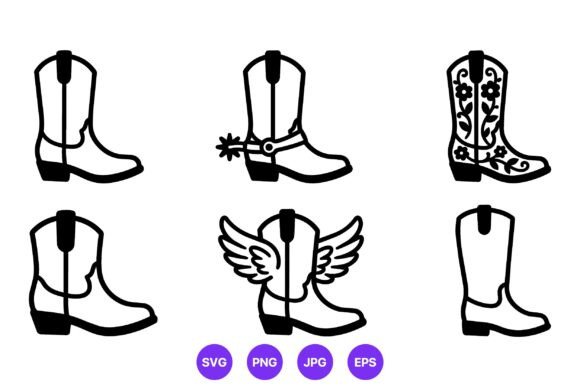
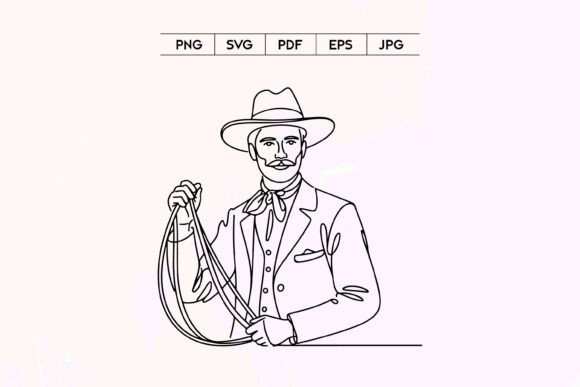
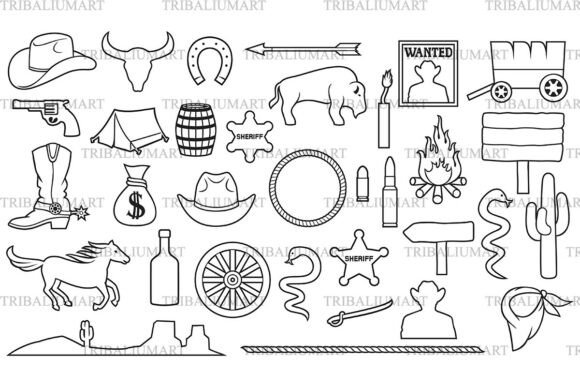
The first thing that struck me about Cowboy Thin Line Icons is its simplicity. The collection features classic elements like cowboy hats, boots, revolvers, lassos, and wagons rendered in a thin line style. This approach gives the designs a modern, minimalist feel while still evoking a sense of rugged Western adventure. The lines are precise and uncluttered, making them ideal for machine embroidery where clarity is key.
I appreciated how the visual personality of each icon feels intentional. The sheriff star, for example, isn’t just a generic shape—it carries weight and symbolism. The same goes for the cactus and campfire motifs, which manage to be both decorative and thematic without overwhelming the eye. These characteristics make the collection suitable for handmade products, personalized gifts, or even commercial items where brand consistency matters.
What Kind of Embroidery Project Fits Best?
In my experience, thin line icons work best when they’re part of a larger design narrative. For instance, I can see Cowboy Thin Line Icons being used as supporting elements in a western-themed sweatshirt or cap design. They also have potential as accents on aprons or kitchen towels, especially if paired with bolder text or fill stitches. Their subtlety makes them great for design assets that need to remain understated but meaningful.
Real-Life Performance in Embroidery Projects
When evaluating any embroidery file, I always consider how it translates from screen to fabric. Here’s how Cowboy Thin Line Icons performed across various use cases:
- Custom Apparel: The horse and wagon icons worked well as small graphic elements on a sweatshirt. They didn’t distract from the main design but added character without becoming lost in stitch density.
- Baby Embroidery: The wanted poster and lasso were used in a playful nursery decor piece. The thin lines helped keep the design from looking too busy, which is important for baby-related items.
- Tote Bag Design: When stitched onto a cotton canvas tote, the revolver and sheriff star stood out nicely. However, I noticed that on darker fabrics, the thread colors needed to be carefully selected to maintain visibility.
- Embroidered Patch: The icons translated well into patch form. Their line-based structure allowed for neat stitching and easy resizing, though smaller details required extra care during setup.
- Apron & Pillow Covers: On linen and muslin surfaces, the cactus and campfire icons looked crisp and clean. They maintained their shape and didn’t distort even after multiple washes, provided the right stabilizer was used.
- Holiday Gifts: As part of a Christmas gift tag design, the cowboy hat and boots added a festive touch. The icons’ simplicity made them perfect for small-scale holiday embroidery.
Across the board, what impressed me most was the balance between detail and minimalism. Each icon has enough definition to be recognizable but not so much that it becomes overworked. This makes them versatile for both personal and commercial embroidery projects.
Where Caution Is Needed
Despite their appeal, there are specific scenarios where Cowboy Thin Line Icons may require more careful handling:
- Small Hoop Sizes: Some of the finer details, like the edges of the wanted poster, could get lost in tight hooping. Always test on scrap fabric before finalizing the placement.
- Textured Fabrics: The thin lines don’t hold up as well on denim or flannel unless you increase stitch density slightly. But beware—overdoing it can lead to puckering.
- Stretchy or Thin Fabric: Icons may distort if applied to stretchy materials like knits. Stick to stable, woven fabrics for best results.
- Dark Backgrounds: While the icons look sharp on light-colored fabric, they can fade on dark tones unless you choose high-contrast thread colors. Consider using black or white threads for better visibility.
- Curved Surfaces: Applying these on caps or curved patches requires adjusting the design layout to accommodate the surface shape. Otherwise, the lines may appear bent or misaligned.
- Dense Stitch Areas: If you're combining these with heavy satin stitch or fill areas, ensure the icons are placed away from dense sections to avoid stitch congestion.
These aren’t deal-breakers, but rather reminders to adapt the design to your specific embroidery project. Every material and machine reacts differently, so it's always wise to run a trial before going full scale.
Visual Appeal and Customer Reaction
One of the strengths of Cowboy Thin Line Icons is their ability to elevate a product without overpowering it. In a recent test for an Etsy seller, we used the icons on a line of western-themed tea towels. Customers responded positively, noting how the subtle graphics gave the towels a professional yet handmade look.
For personalized gifts, these icons help add context and charm. A custom baby blanket with a tiny lasso and cactus motif received several compliments for its gentle aesthetic. It felt like a nod to tradition without being too kitschy.
From a branding perspective, the icons offer a cohesive way to incorporate western elements into shop logos, packaging, or promotional materials. Their consistent style helps reinforce a boutique’s identity across different small shop products.
Stitch Clarity and Presentation
Thin line designs rely heavily on stitch clarity. I found that using a running stitch or simple satin stitch around the outlines produced the best results. Avoid overly complex stitch types unless necessary, as they can muddy the clean lines.
Thread color selection is also crucial. Using a single contrasting color (like red for the sheriff star) can make the icon pop, whereas blending multiple similar shades might dilute the effect. I recommend testing thread colors on actual fabric before production.
On handmade products, the icons contribute to a polished finish. They help bridge the gap between crafty and professional, which is especially valuable for craft fair products or Etsy listings aiming for a premium look.
Practical Designer Notes
If you're planning to use Cowboy Thin Line Icons in your next project, here are some tips I’ve picked up along the way:
- Test on Scrap Fabric First: Especially if you're working with a new type of material or machine.
- Check Thread Color Contrast: Make sure your chosen thread stands out against the background fabric.
- Review Stitch Density: Adjust as needed for stability and aesthetics. Too loose and the design will look unfinished; too tight and it might pucker.
- Confirm Hoop Size: Ensure the hoop you're using can comfortably accommodate the design and allow room for stabilizer.
- Inspect Small Details: Zoom in on the digital embroidery file to verify that all parts are properly connected and won’t break apart during stitching.
- Use Proper Stabilizer: Especially for delicate or stretchy fabrics. A tear-away or cut-away stabilizer can make all the difference in quality.
- Compare Light and Dark Backgrounds: How the design looks on white vs. navy blue can affect its impact significantly.
- Test in Black and White Mockups: To see how the design holds up without color, particularly useful for grayscale prints or monochrome embroidery.
- Check Licensing Terms: Before selling finished items or including the icons in printable mockups, confirm whether the license allows for commercial use.
Icon Use in Digital Product Previews
For digital product sellers, the icons are a solid addition to mockup templates. They fit seamlessly into lifestyle shots of tote bags, mugs, or T-shirts, enhancing the visual storytelling without overshadowing the product itself. Just be mindful of how they interact with other design elements in your design assets.
Final Thoughts for Creative Entrepreneurs
Cowboy Thin Line Icons aren’t just another set of graphics—they’re a thoughtful tool for anyone involved in machine embroidery design or crafting themed products. Whether you're an apparel decorator, handmade shop owner, or hobbyist creating personalized gifts, this collection offers a reliable, stylish option that complements many projects.
They enhance the product value subtly by adding a touch of personality and professionalism. And in the right context, they can boost customer trust and brand recognition. That said, like any design asset, they need to be treated with care depending on the medium and application.
So if you're considering these icons for your next embroidery project, do your due diligence. Test them on your preferred fabric, check thread compatibility, and ensure licensing aligns with your goals. With the right preparation, Cowboy Thin Line Icons can become a trusted part of your creative toolkit.