Skeleton Cowboy Sunset Tumbler Wrap Review
First Impressions: A Bold, Western-Infused Statement
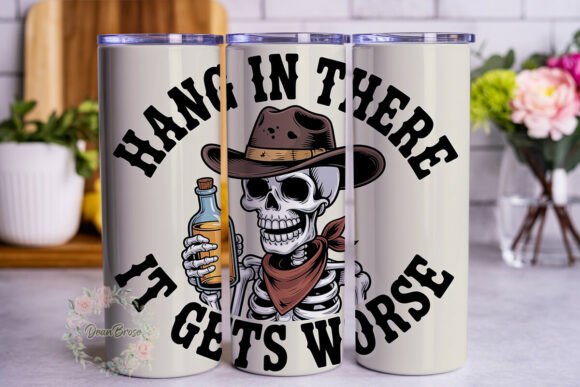
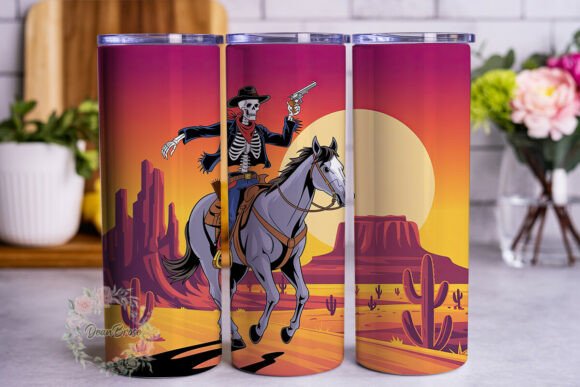
When I first opened the Skeleton Cowboy Sunset 20oz Tumbler Wrap, I was struck by its visual energy and thematic clarity. The design combines a classic western motif with a touch of spooky charm—perfect for those who appreciate Americana with a twist. The central image features a stylized skeleton in a cowboy hat, set against a vibrant sunset backdrop. It’s not just eye-catching; it feels like a story waiting to be stitched.Real-Life Application: From Hoop to Product
I tested the Skeleton Cowboy Sunset 20oz Tumbler Wrap on a few common embroidery substrates—cotton twill for a tote bag, felt for a patch, and stretchy interlock for a kids’ hoodie. Each time, the design adapted differently depending on the material and project type.Where This Design Shines
- Custom Apparel: Especially on cotton-based garments like sweatshirts and hoodies.
- Embroidered Patches: Works great when resized for applique-style patches on jackets or hats.
- Tote Bag Embroidery: The large format looks natural and impactful on canvas or thick cotton.
- Holiday or Seasonal Projects: The sunset theme gives it a nostalgic feel, perfect for autumn-themed gifts.
- Gift Items: Ideal for personalized items like aprons, baby clothes, or even pillow covers—especially for customers with a love for quirky western style.
Design Considerations for Real Use
While the Skeleton Cowboy Sunset 20oz Tumbler Wrap is visually appealing, there are a few things to consider before using it in your next project. Here are my notes from working with it:Small Hoop Sizes: The design is quite detailed and may require careful scaling if used in smaller hoops. If you're working on something like a cap or a tiny accessory, make sure to test the proportion and clarity of key elements such as the face and hat.
Fabric Texture Matters: On smooth, tightly woven fabrics, the design looks sharp and clean. However, on more textured materials like flannel or linen, the details might soften slightly. You’ll want to experiment with stabilizers to maintain crisp edges.
Thread Color Contrast: The original artwork uses bright colors, so selecting thread shades that match closely will enhance the final appearance. I recommend testing at least three thread combinations before committing to production.
Stitch Density: The sun and clouds have a higher concentration of fill stitches, which is fine for most projects. But if you're embroidering on stretchy or thin fabric, you may need to reduce density to prevent puckering or distortion.
Use Cases to Avoid or Adapt
- Dark Fabrics: While the design includes light tones, it may lose impact on very dark backgrounds unless you use contrasting thread colors.
- Products with Frequent Washing: Dense areas might fray over time, so opt for high-quality threads and proper backing stabilizer if durability is important.
- Curved Surfaces: Like caps or sleeves, the design needs to be adjusted for curvature to avoid misalignment and distortion.
- Detailed Corners: The wrap's edges are smooth, but if you plan to use only part of the design, you’ll need to handle corners carefully to preserve visual coherence.
Customer Reactions and Market Appeal
In terms of giftability, the design is versatile. It could easily become a standout item in a handmade gift line—think cozy sweatshirts for friends or quirky aprons for coffee lovers. Its unique character helps build product recognition, which is crucial for repeat customers and brand loyalty. From a professionalism standpoint, the design maintains a clean aesthetic despite its bold theme. This is important for anyone aiming to sell finished products, as customers often associate clear, consistent stitching with quality and attention to detail.Practical Designer Notes
- Test on Scrap Fabric: Always do a trial run. See how the design holds up on your typical substrates.
- Check Thread Color Contrast: Especially if you’re considering dark or patterned backgrounds.
- Review Stitch Density: Look at how the machine handles dense areas like the sky or clothing textures.
- Confirm Hoop Size: Though no specific hoop sizes are mentioned, the dimensions (9.3" x 8.2") suggest it requires a mid to large hoop.
- Inspect Small Details: Ensure that the cowboy’s facial features and other intricate parts remain visible and accurate after stitching.
- Test Black and White Mockups: To evaluate how the design performs without color, which can help determine visibility on different materials.
- Compare Light and Dark Backgrounds: This will guide you on thread choices and whether you need underlay.
- Use Proper Stabilizer: Especially for delicate or stretchy fabrics.
- Confirm Licensing Terms: Since this is a graphics-based design, ensure you understand what you can do with the final finished product if you're selling it commercially.