Coyote Cowboy Poncho Western Design Review
As a seasoned embroidery designer and product reviewer, I always approach a new design with a critical eye—especially when it comes to something as whimsical yet detailed as the Coyote Cowboy Poncho Western Design. This isn’t just about aesthetics; it’s about how well the design will translate into real-world projects. Let me walk you through my process of evaluating this digital embroidery file for practical use.
First Impressions: Charm Meets Character
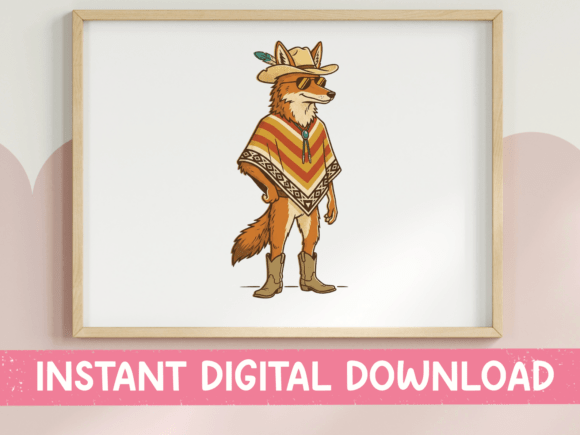
The moment I opened the embroidery file, I was struck by the charm of the coyote character. Standing upright in full cowboy regalia, complete with a tan hat and a striped serape poncho in orange and cream, the design exudes a playful, Southwestern vibe. It’s clear that the artist aimed to capture both humor and authenticity, which is a great balance for many creative applications.
Visually, the layout feels dynamic and intentional. The posture of the coyote adds a sense of movement, while the stripes on the poncho provide texture without overwhelming the piece. This kind of personality makes it ideal for standout items like custom apparel or handmade gifts where a unique visual element can really shine.
Real-World Application: Where Does This Design Shine?
One of the first scenarios I considered was using this design on a custom sweatshirt for a themed boutique. The Coyote Cowboy Poncho Western Design would work beautifully here. Its bold lines and colorful elements are suited for larger areas, making it perfect for sweatshirt embroidery where there’s room to let the details breathe.
I also imagine this could be a hit on tote bags. Whether it's a tote bag design for an Etsy listing or a personalized gift for a friend who loves Western motifs, the coyote’s expressive face and stylized clothing add a touch of storytelling to the item. It’s not too literal, but still instantly recognizable—ideal for building product recognition.
Another strong application is embroidered patches. The character’s compact form allows it to fit neatly within a patch shape while maintaining its charm. If applied correctly, this could become a signature embroidery project for a craft business focusing on novelty patches or cap embellishments.
For those considering baby clothes or nursery decor, the design might be more challenging unless simplified. While the color palette is warm and inviting, the level of detail may not suit delicate or small-scale baby embroidery without careful adjustment. But if scaled up slightly, it could make a fun statement on a pillow cover or blanket.
A Word on Stitching Clarity and Detail
Looking closer at the stitch types used, the design relies heavily on satin stitch and fill stitch to create depth and contrast. These techniques work well for outlining the coyote’s features and filling in the striped pattern of the poncho. However, the density in some areas—like the stripes themselves—could lead to puckering if not stabilized properly.
If you're planning to use this for commercial embroidery, especially on items like aprons or kitchen towels, pay attention to the fabric type. A smooth cotton blend would handle the stitch density better than a textured or stretchy material. For handmade products, this detail becomes even more important because imperfections are more noticeable in smaller production runs.
Where to Use with Caution
While the Coyote Cowboy Poncho Western Design has a lot going for it, there are certain situations where it should be used carefully. One major consideration is hoop size. If you’re working with smaller hoops, such as for caps or patches, you’ll need to adjust the design or risk losing clarity in key areas like the face or hat brim.
Textured fabrics or dark backgrounds can also affect the final look. The design’s colors are vibrant, but on black or navy garments, the contrast between orange and cream may diminish. Always test the design on a scrap piece of your intended fabric before committing to a full run, especially if you're aiming for a professional finish for an Etsy seller or small shop product.
Thin or stretchy materials may struggle under the weight of dense stitching, particularly in the poncho area. Using the right stabilizer and possibly reducing the stitch density in those zones can help maintain the integrity of the fabric and the quality of the finished product.
Customer Reactions and Market Fit
In terms of customer appeal, this design is likely to resonate with fans of Western themes, wildlife art, and clever character illustrations. As a designer, I’d categorize it as a mid-range complexity design—enough detail to feel special, but not so intricate that it becomes unmanageable for most home or studio embroidery machines.
When previewed via a printable mockup, the design stands out well. It has enough visual pop to catch attention on digital listings, which is essential for craft business owners and digital product sellers. That said, the design does have tiny details like facial expressions and stripe patterns that might require a bit of tweaking depending on your machine and thread tension settings.
Design Notes for Embroidery Success
- Test First: Always run a test on scrap fabric to see how the machine embroidery design behaves before applying it to a final product.
- Thread Color Contrast: Ensure the thread colors you choose stand out against your base fabric. On darker backgrounds, consider swapping the orange for a lighter hue.
- Stabilizer Check: Especially important for thin or stretchy fabrics. A tear-away or cut-away stabilizer can help prevent distortion during stitching.
- Scale Appropriately: Don’t force the design into a hoop that’s too small. Confirm the recommended hoop size and scale accordingly.
- Review Stitch Density: Areas with high stitch counts may need adjustments to avoid puckering, especially on woven or layered garments.
- Mockup Testing: Try the design in black and white to assess how well it translates on different colored bases. This helps in predicting visibility issues.
- Commercial Licensing: If you're planning to sell finished goods or digital design assets, make sure to confirm licensing rights. Many free designs aren't suitable for commercial use without permission.
Boosting Product Value and Brand Consistency
From a branding standpoint, this design can elevate the perceived value of a product. Its whimsical nature gives it broad appeal across age groups and markets—from holiday gifts to Southwest-themed merchandise. When used consistently across multiple items (like aprons, tea towels, or custom apparel), it can help build a cohesive brand identity for a small shop or online store.
However, don’t overlook the importance of matching it with other design elements. If your brand leans toward minimalism or vintage simplicity, this design might clash. But for a Western-themed collection, it fits right in and can serve as a memorable icon.
Final Thoughts for Creative Entrepreneurs
Overall, the Coyote Cowboy Poncho Western Design is a versatile and appealing option for many embroidery projects. Its mix of humor and authenticity makes it a great candidate for T-Shirt Designs and Graphics that aim to tell a story or evoke a sense of place. Just remember that every embroidery project needs thoughtful preparation, and this one is no exception.
Whether you're an embroidery designer, an apparel decorator, or an artisan seller, take the time to understand how this design interacts with your chosen materials and tools. With the right care, it can become a valuable part of your portfolio and a favorite among customers looking for something unique and expressive.